Circular Economy in EPC (Engineering, Procurement and Construction) represents a shift from the traditional linear approach of Extract–Manufacture–Construct–Operate–Dispose towards a sustainable model based on Reduce–Reuse–Recover–Recycle. It focuses on minimizing raw material consumption, reducing construction waste, improving energy efficiency and maximizing resource utilization throughout the entire lifecycle of an industrial facility. By incorporating circular economy principles at the conceptual and detailed engineering stages, EPC companies can design facilities that are environmentally responsible, economically efficient and sustainable over the long term.
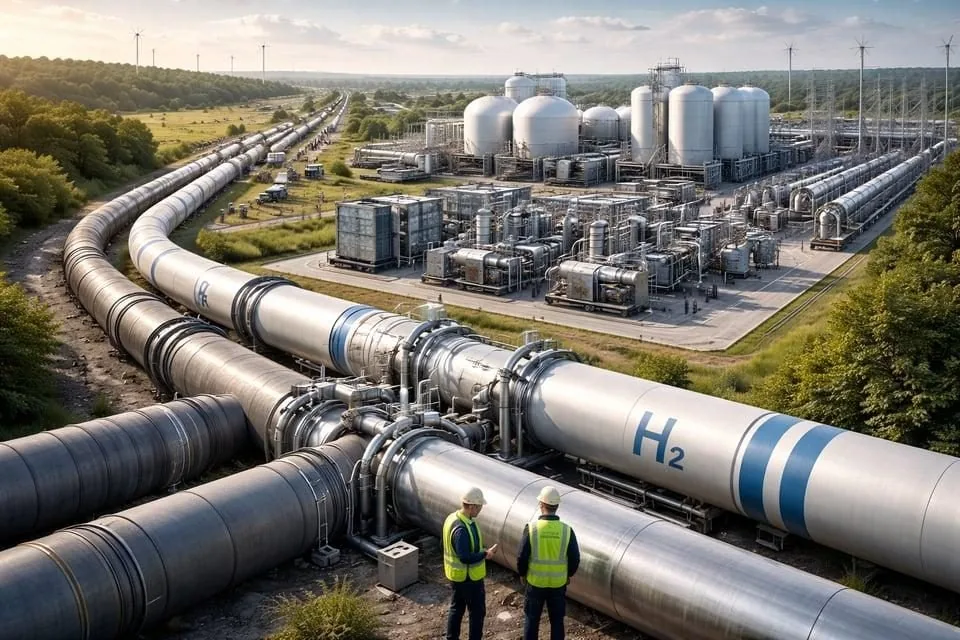
Across EPC disciplines, circular economy creates opportunities to optimize material selection, reuse suitable construction materials, implement modular fabrication, recover process heat, recycle industrial water and extend equipment life through refurbishment. Piping engineering can reduce material consumption through optimized routing and material recovery, mechanical engineering can improve equipment efficiency and life extension, process engineering can integrate waste recovery and water recycling, while civil, structural, electrical and instrumentation engineering can contribute through sustainable materials, energy optimization and intelligent resource monitoring. These practices help reduce project costs, environmental impact and dependence on virgin resources.
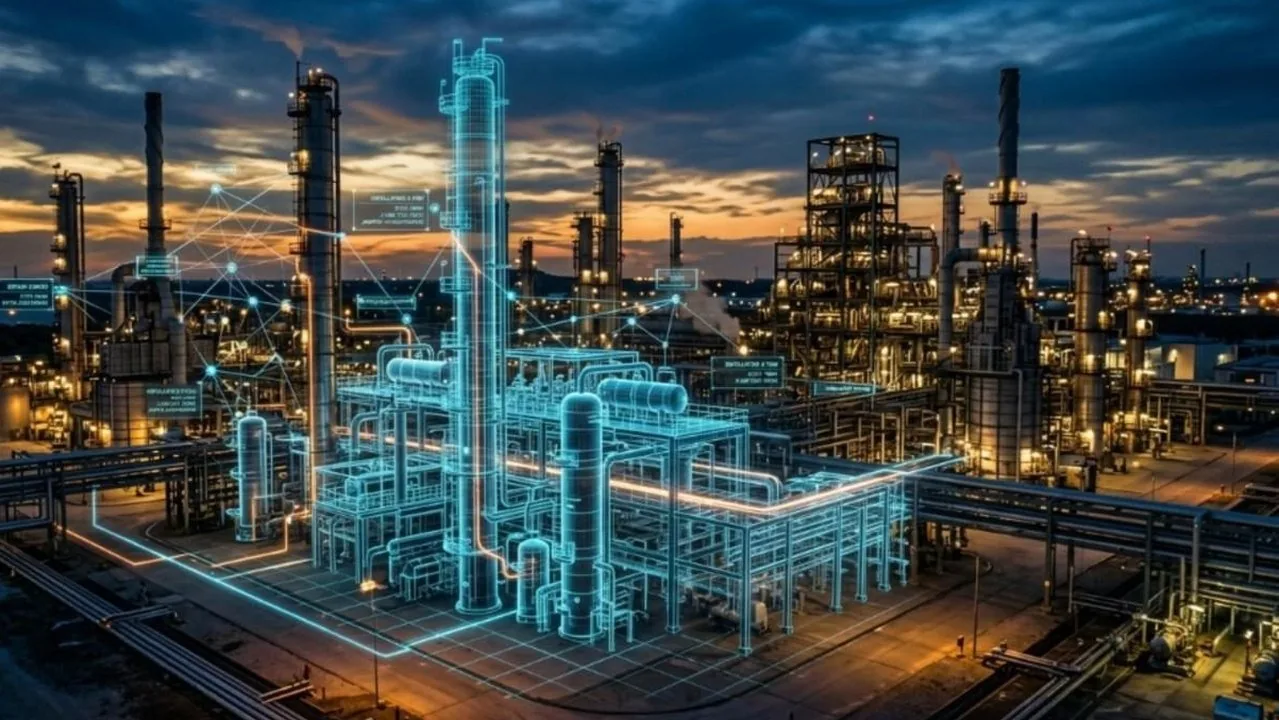
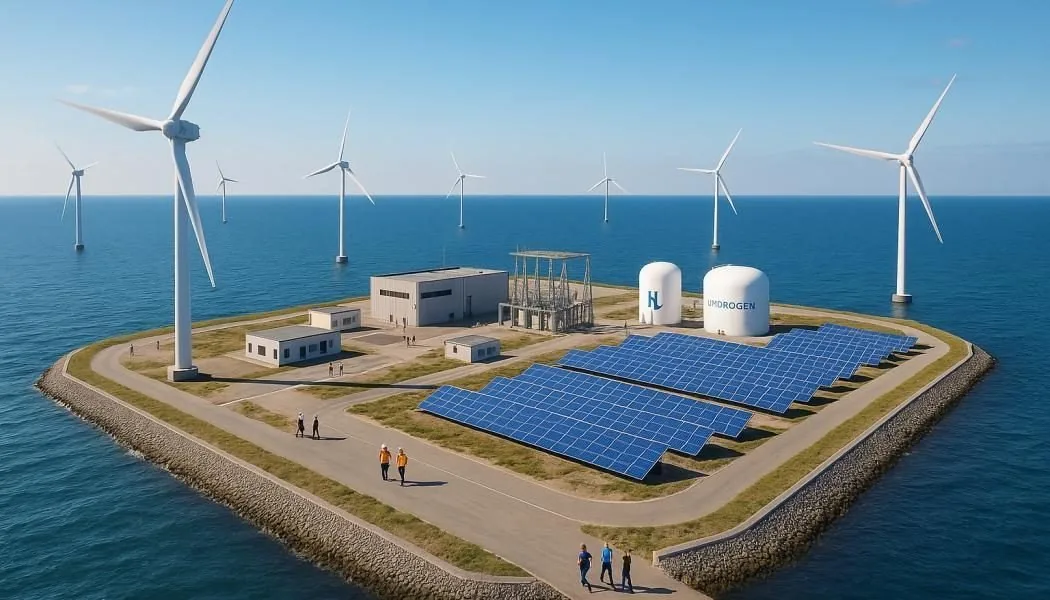
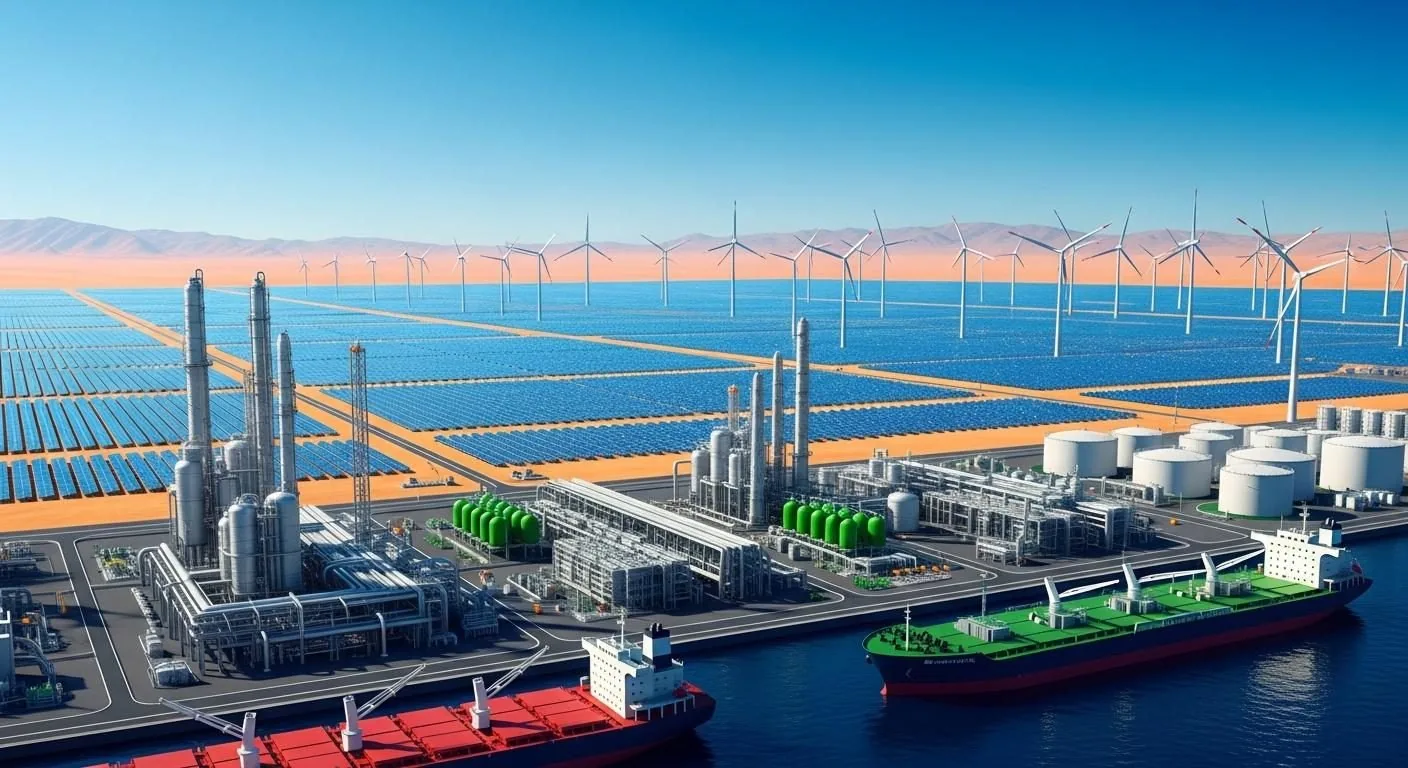
The future of EPC lies in developing circular industrial ecosystems where the waste or by-product of one process becomes a valuable resource for another. Digital twins, artificial intelligence, advanced monitoring and lifecycle assessment will enable engineers to identify resource losses, optimize operations and improve asset performance. For EPC companies, circular economy should become an integral part of multidisciplinary engineering rather than merely an environmental initiative. The objective is to move beyond building industrial facilities towards engineering sustainable assets that conserve resources, minimize waste and deliver long-term value throughout their lifecycle.