Floating Production, Storage, and Offloading (FPSO) units were historically built as single-purpose offshore assets focused strictly on crude oil separation, storage, and offloading in harsh deepwater conditions. Early FPSO topsides were designed with heavy, high-footprint separation trains and utility units, prioritizing volume throughput over energy efficiency, and often venting excess gas or discharging process water directly into marine environments.
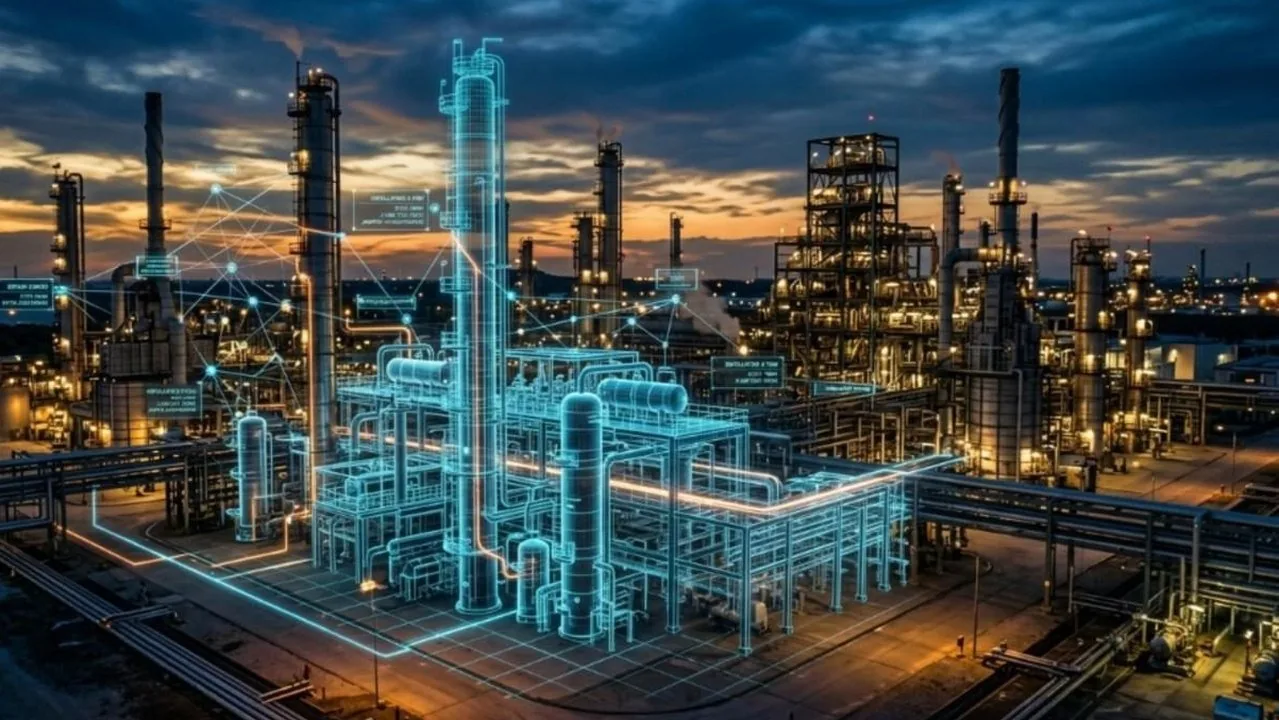
Today’s modern FPSO units are engineered around compact, high-efficiency modular topsides designed to operate under dynamic wave-induced hull deflections. Energy efficiency is now a core requirement: topsides feature combined-cycle power systems, high-efficiency gas compression modules, and zero-discharge produced water treatment packages. Electrification of topside equipment using shore power or offshore renewables is already significantly reducing the carbon intensity per barrel processed.
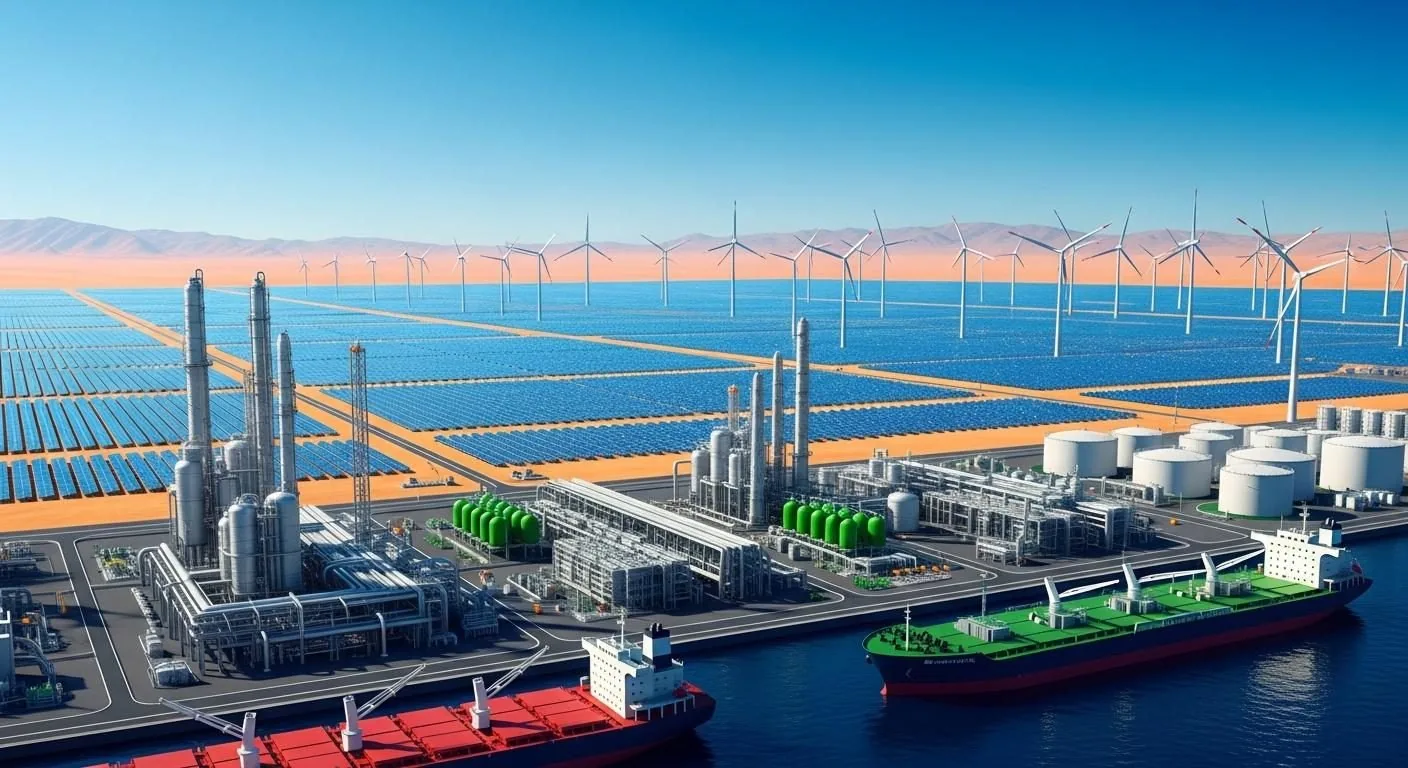
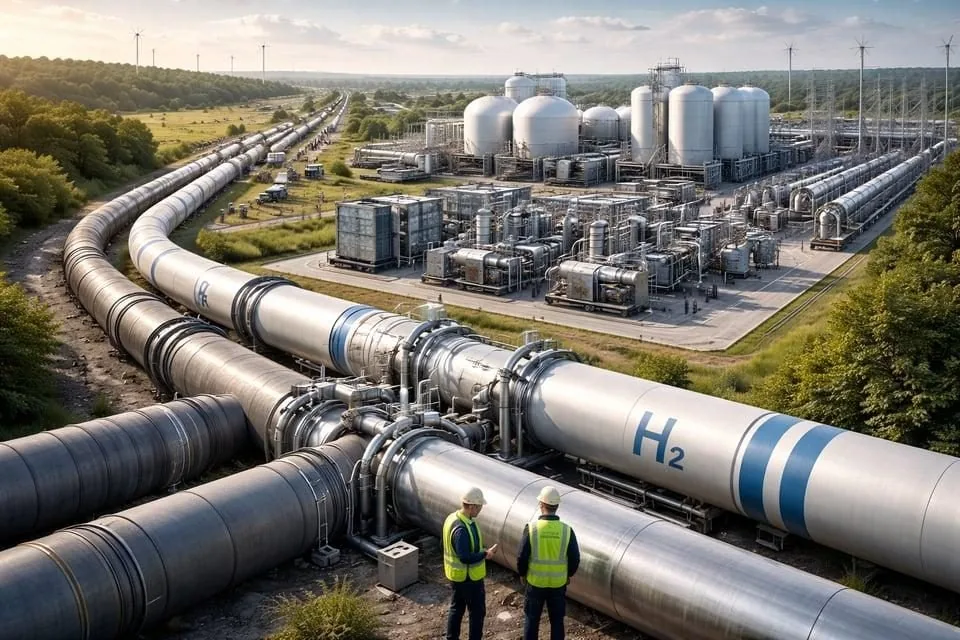
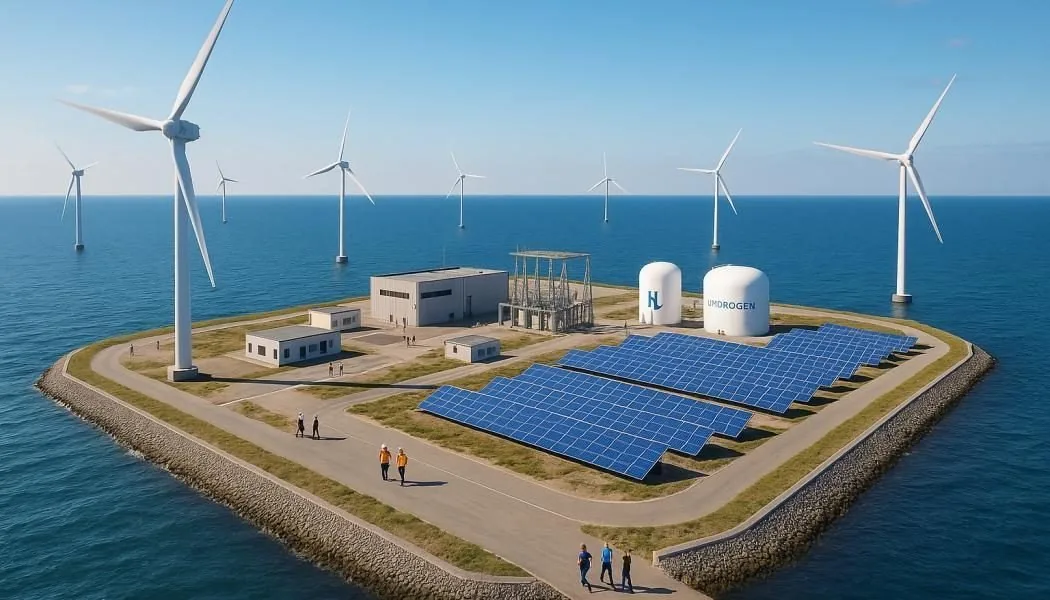
In the future, FPSO architecture will pivot into versatile floating clean-energy hubs. As offshore infrastructure shifts toward decarbonization, future floating facilities will integrate carbon capture and storage (CCS) units directly into topside modules. FPSO designs will also adapt to host offshore green hydrogen and ammonia production systems, converting wind or wave energy directly on-board for clean transport, transforming traditional offshore oil vessels into multi-energy processing platforms.