For decades, many plants inspected piping on fixed calendars: every five years, every ten years, or after a defined operating period. While simple to administer, this approach can either over-inspect low-risk systems or under-protect high-consequence ones. Risk-based integrity management changes the question from “Is inspection due?” to “Where is failure most likely, and what would be the consequence if it occurred?”
Present-day programs combine corrosion rates, age, operating stress, fluid service, inspection history, and consequence factors such as pressure, toxicity, flammability, and proximity to people. This allows operators to prioritize inspection locations, select appropriate non-destructive testing methods, and focus limited maintenance budgets on the assets that matter most. Codes and industry practices are also placing greater emphasis on covered piping systems, documentation, qualified personnel, condition assessment, and lifecycle maintenance.
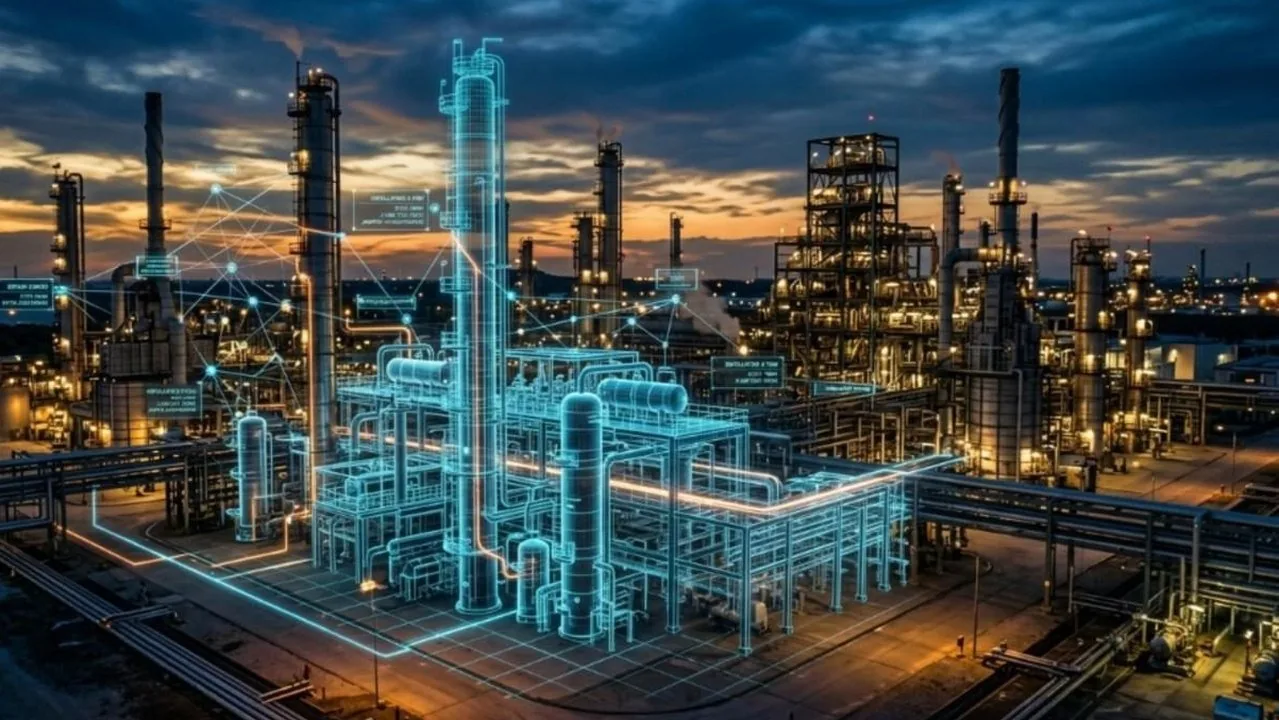
In the future, risk models will become continuously updated rather than periodically revised. Sensor data, inspection analytics, AI-based anomaly detection, and digital twins will feed live risk scores into maintenance planning systems. The result will be a shift from reactive repair and fixed-interval inspection toward condition-based, predictive, and ultimately prescriptive piping integrity management.