1. Introduction: The next industrial frontier is the ocean
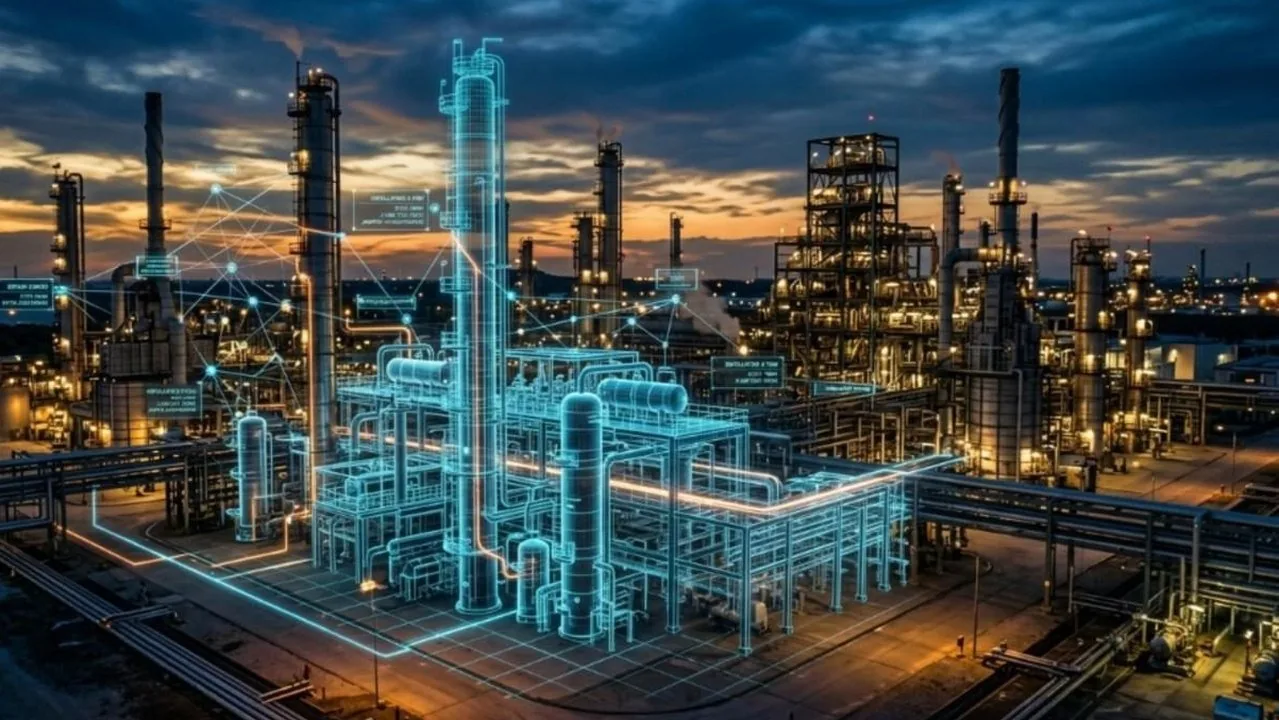
For decades, offshore engineering has been associated primarily with oil and gas exploration, production platforms, FPSOs, subsea systems and offshore pipelines.
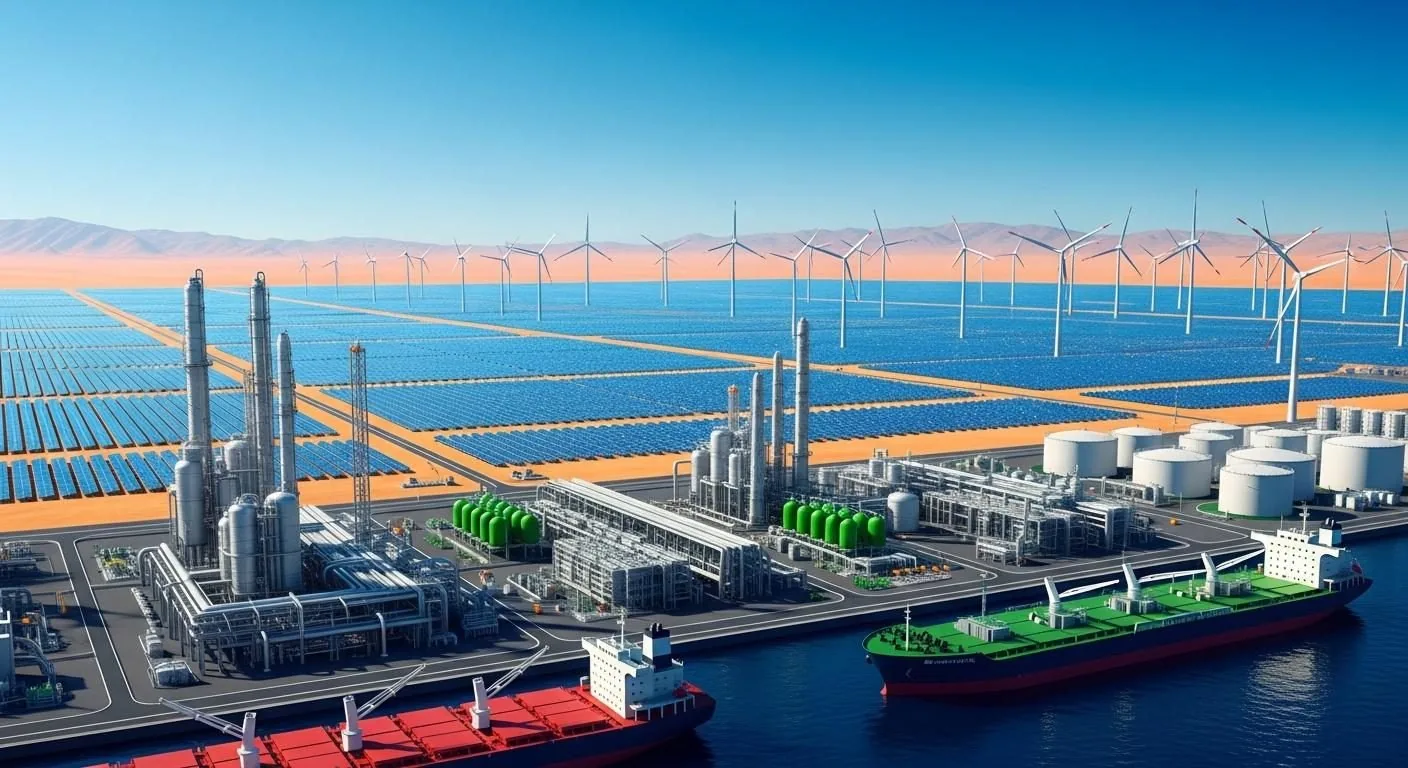
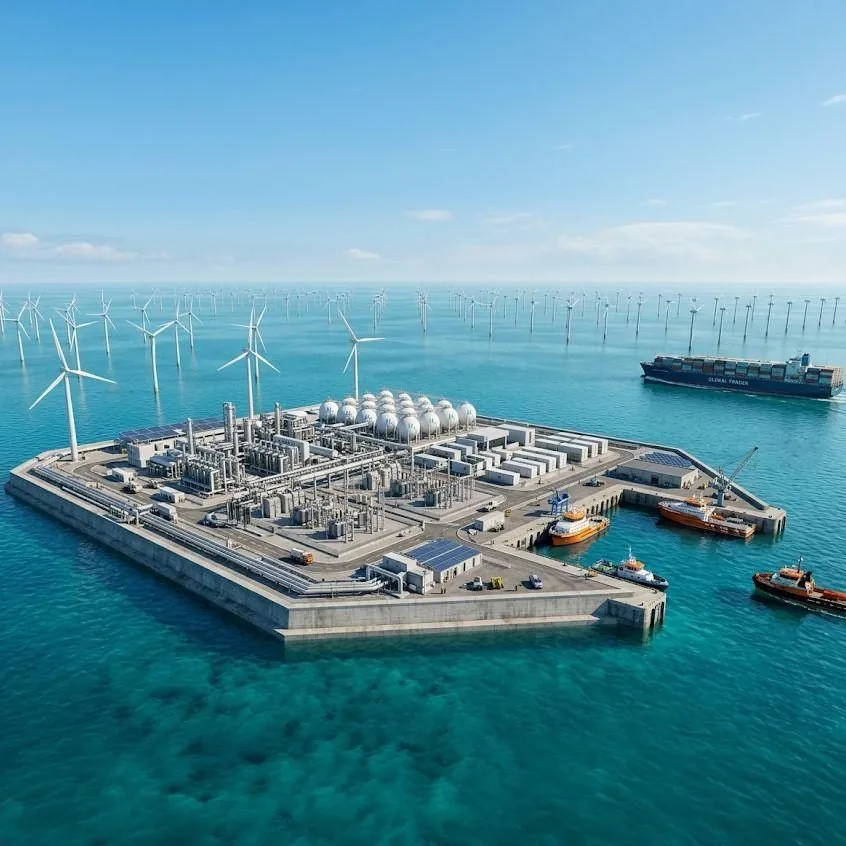
By 2070, offshore infrastructure could evolve into something much more comprehensive.
Imagine an offshore industrial city containing:
- Floating renewable energy generation.
- Hydrogen production facilities.
- Ammonia synthesis plants.
- Desalination facilities.
- Energy storage systems.
- Subsea transmission networks.
- Autonomous maintenance infrastructure.
- Floating manufacturing facilities.
Such installations could operate as integrated industrial ecosystems connected to coastal industrial centres.
This is not a claim that floating cities will become commercially dominant by 2070. It is a plausible future engineering scenario built around existing offshore and floating-energy technologies.
2. From FPSO to FIE – Floating Industrial Ecosystems
The FPSO transformed offshore oil and gas production by combining production, processing, storage and offloading on a floating vessel.
The next possible evolution is the Floating Industrial Ecosystem (FIE).
Instead of focusing exclusively on hydrocarbon production, these facilities could integrate multiple industrial functions.
| Conventional FPSO | Future floating ecosystem |
|---|---|
| Hydrocarbon production | Multi-energy generation |
| Oil and gas processing | Hydrogen and chemical processing |
| Crude oil storage | Energy carrier storage |
| Hydrocarbon offloading | Multi-product export |
| Offshore utilities | Integrated energy utilities |
| Conventional maintenance | Autonomous inspection and maintenance |
3. Floating offshore wind
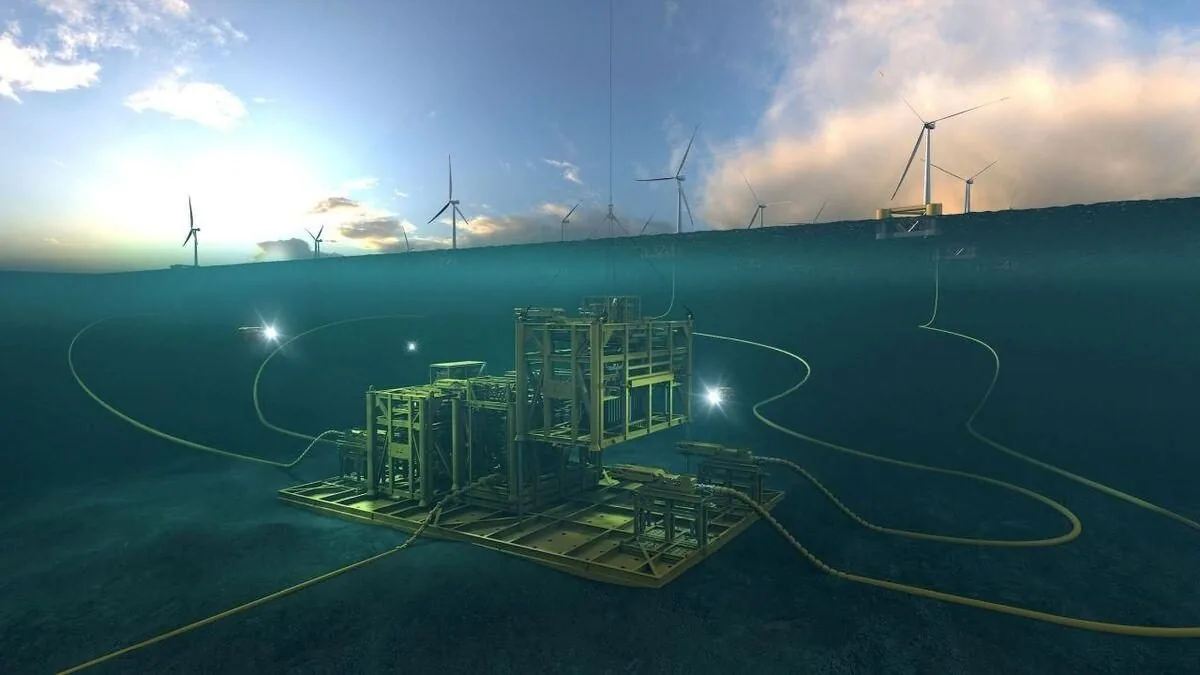
Floating offshore wind could become a major part of future offshore energy infrastructure.
Unlike fixed-bottom wind turbines, floating systems use buoyant platforms anchored through mooring systems.
Important engineering components include:
- Floating foundations.
- Mooring lines.
- Dynamic power cables.
- Offshore substations.
- Corrosion protection systems.
- Marine access systems.
- Structural fatigue monitoring.
IRENA's 2024 floating offshore wind report highlights the potential of deeper-water locations, the development pipeline and the need for integrated port and grid infrastructure.
irena.org+1
4. Subsea industrial infrastructure
Future offshore systems could extend far beyond traditional subsea hydrocarbon pipelines.
Potential developments include:
Subsea power transmission: High-voltage cables connecting offshore renewable generation to coastal grids.
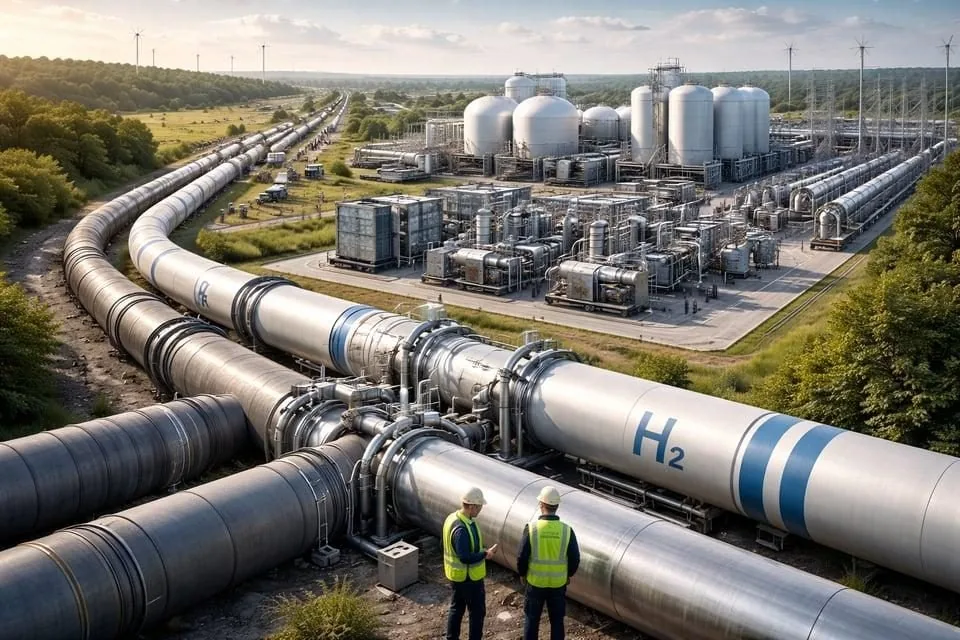
Subsea hydrogen infrastructure: Dedicated pipelines and associated facilities, subject to material, safety and economic validation.
Subsea carbon transportation: Pipelines transporting captured CO₂ to suitable geological storage locations.
Autonomous subsea inspection: Remotely operated and autonomous underwater vehicles performing inspection and monitoring.
Subsea processing: Increased integration of separation, boosting and processing systems close to offshore production sources.
5. Offshore piping engineering: A different design environment
Offshore piping systems experience complex combinations of loading conditions.
Future floating installations will continue to demand advanced engineering for:
- Vessel acceleration loads.
- Wave-induced motion.
- Wind and current loads.
- Thermal expansion.
- Slug and transient loads.
- Equipment nozzle loads.
- Vibration and fatigue.
- Seismic conditions where applicable.
- Corrosion and marine degradation.
For piping stress engineers, the challenge is not simply calculating thermal expansion.
It is understanding the combined effect of operational loads, vessel motions, dynamic behaviour and structural interactions.
Future floating industrial facilities could use live motion data to update operational integrity assessments, while retaining validated design models for formal engineering verification.
6. Autonomous offshore maintenance
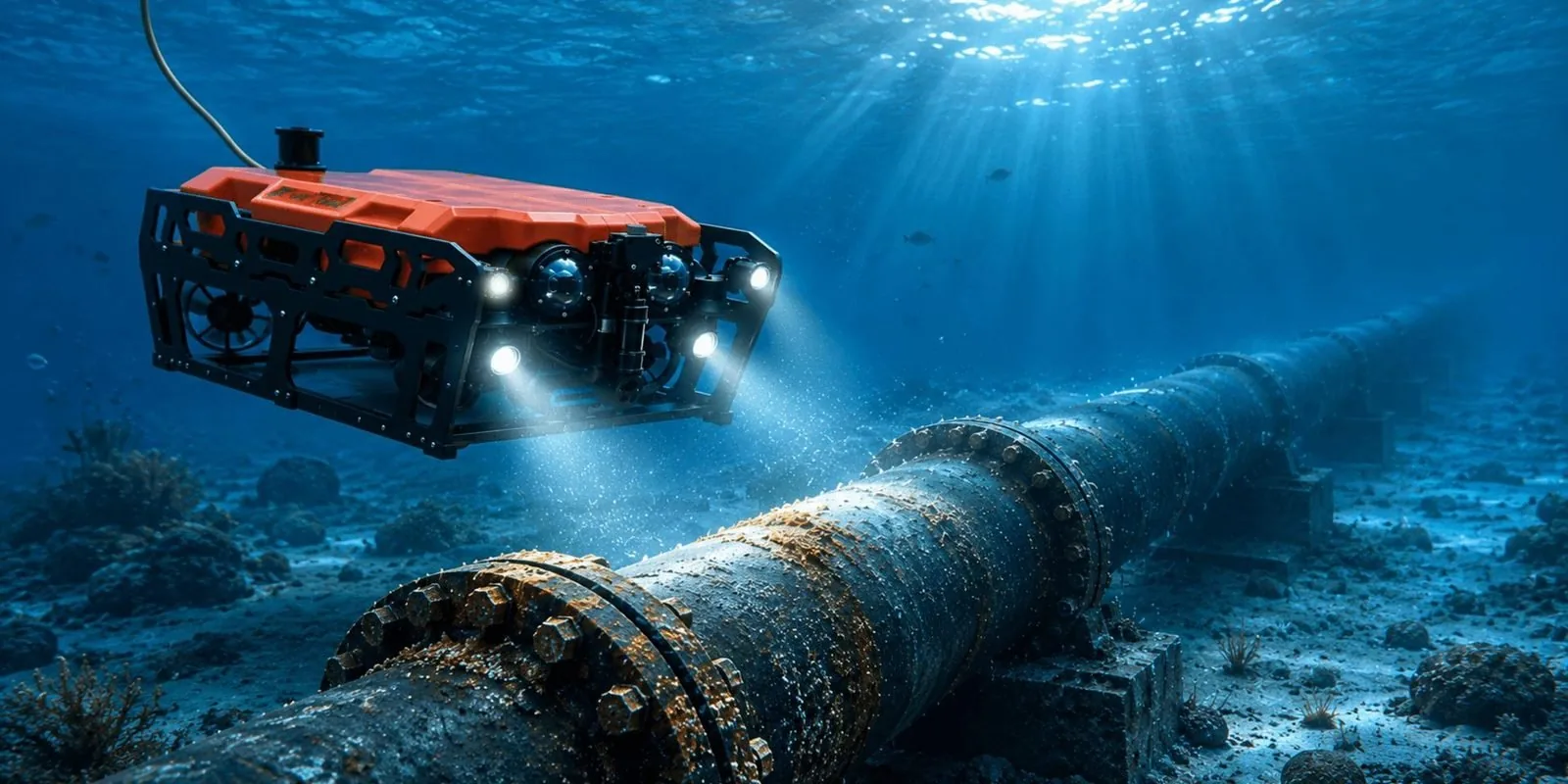
Offshore maintenance is expensive because of accessibility, weather windows and personnel safety.
Autonomous technologies could improve maintenance operations.
Potential applications:
- Underwater autonomous inspection vehicles.
- Robotic welding and repair systems.
- Drone-based structural inspection.
- Digital corrosion mapping.
- Remote valve operation.
- Continuous mooring-line monitoring.
- Predictive equipment maintenance.
The objective would be to reduce unnecessary offshore intervention and improve asset availability.
7. The integrated offshore energy city
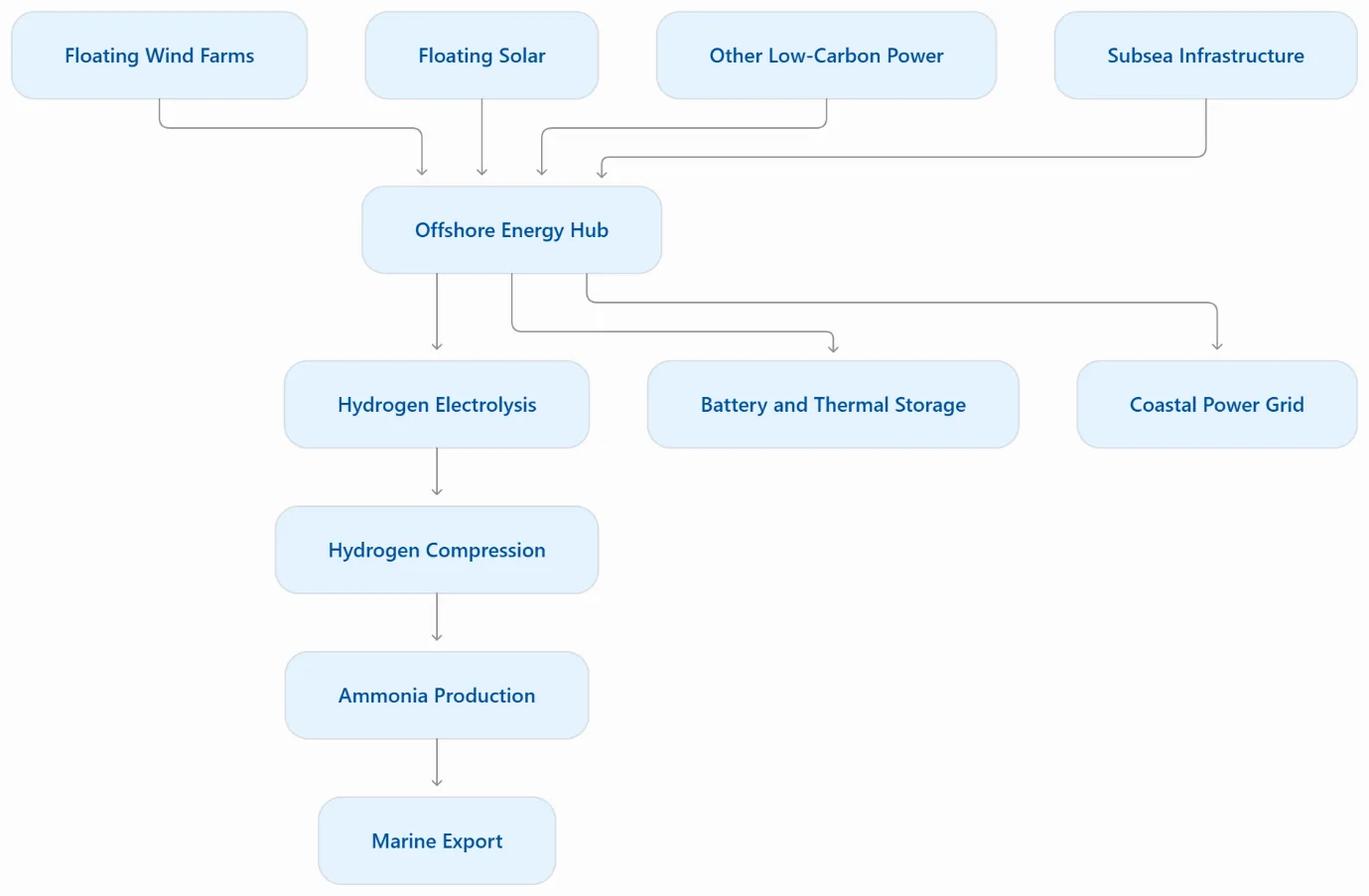
8. Engineering challenges of floating industrial ecosystems
These facilities will demand a new level of multidisciplinary integration.
Process engineering: Integration of power, hydrogen, ammonia, desalination and storage processes.
Piping engineering: Motion-sensitive routing, flexible connections, fatigue assessment and dynamic stress analysis.
Mechanical engineering: Compressors, pumps, turbines, vessels and offshore package equipment.
Structural engineering: Floating foundations, mooring arrangements, topside structures and fatigue assessment.
Electrical engineering: Offshore substations, dynamic cables and power conversion.
Instrumentation: Integrated monitoring, safety systems and autonomous operations.
9. The commercial opportunity for EPC companies
Floating industrial ecosystems could generate significant demand for:
- FEED studies.
- Conceptual engineering.
- Detailed engineering.
- Offshore piping stress analysis.
- Subsea pipeline engineering.
- Floating structure engineering.
- Modular fabrication.
- Brownfield modifications.
- Asset integrity services.
For engineering consultants, offshore experience combined with hydrogen, renewable energy and advanced process engineering could become a valuable competitive advantage.
10. Conclusion: The ocean as an industrial platform
The offshore industry of 2070 could represent a transition from isolated production installations to interconnected marine energy and industrial infrastructure.
The future offshore engineer may design not just a production platform, but an entire floating industrial ecosystem.